Category : dentist in aubrey tx

A Complete Guide to Dental Implants – Expert Insights from Your Aubrey, TX Dentist

Summary:

Missing teeth can affect much more than your smile. 

They can make your daily activities, such as eating, uncomfortable; you may notice a change in how you speak, and they will gradually affect your confidence in social situations. Many people also report that their facial shape changes over time, which can make them appear older than they are. 

This is where dental implants come in. They are long-term, natural-looking solutions that replace missing teeth and restore function and confidence. According to the American College of Prosthodontists, nearly 120 million Americans are missing at least one tooth, making tooth replacement a common and essential concern.

This is why choosing a skilled local dentist in Aubrey, TX, matters: their experience, precision, and ongoing care. In this article, we will cover:

  • What Are Dental Implants?
  • Who Is a Good Candidate for Dental Implants?
  • Types of Dental Implants Available

Continue reading to learn more about the role of dental implants. The following sections explore some expert insights from dentists in Aubrey, TX. Let’s get started.  

What Are Dental Implants?

Dental implants are a permanent solution for replacing missing teeth. Experts design them to look, feel, and function like natural teeth. This makes everyday activities like eating and smiling comfortable again. Dental implants are fixed in your mouth and do not shift or slip out, unlike removable options.

Key Components of Dental Implants

  • Implant Post: A small screw made using titanium that is strategically placed into your jawbone. Once installed, it acts as a support to the tooth. 
  • Abutment: A connector that links the implant post to the crown
  • Crown: The visible tooth that is custom-made to match your natural teeth

How Dental Implants Work

Dental implants are designed to fuse with your jawbone and provide strong support, just like your natural teeth. This makes them ideal for replacing a single tooth or multiple teeth when severalare missing.

Implants vs. Removable Options

Implants are a very stable, long-lasting dental equipment that feels more like natural teeth, unlike dentures or removable bridges. 

Who Is a Good Candidate for Dental Implants?

General Eligibility Criteria

An individual is considered a good candidate for dental implants if they are in good overall health and maintain healthy gums. Having sufficient jawbone density is essential for implant support. Non-smokers are considered to be the ideal candidates, but smokers who are willing to quit smoking during the treatment can also qualify.

Addressing Common Concerns

Age is not a barrier to receiving dental implants. They can work well for both adults and seniors. Bone grafting techniques for bone loss can often enable implant placement. Many patients ask whether an endodontist also performs implants, and in most cases, implant placement is handled by a trained dental implant specialist.

Why Professional Evaluation Matters

Having a detailed evaluation done by an experienced Aubrey dentist helps to determine the safest and most effective treatment plan for you.

Types of Dental Implants Available

Single-Tooth Implants

Single-tooth implants are considered ideal for candidates missing a single tooth. A single implant post is placed in the jawbone and is topped with a custom crown. It looks completely natural, feels comfortable, and also does not affect your nearby teeth.

Implant-Supported Bridges

If you are missing several consecutive teeth, implant-supported bridges are a strong, stable solution. These multiple-tooth implants use fewer implant posts to support multiple replacement teeth, providing better support than traditional bridges.

Full-Arch Implants (All-on-4 / All-on-6)

For those facing extensive tooth loss, full-arch implants replace an entire upper or lower arch of teeth using 4 or 6 implants. They provide you with a secure, long-lasting smile.

Choosing the Right Option

Your dentist will consider bone health, number of missing teeth, budget, and lifestyle to recommend the best implant solution for your needs.

Step-by-Step Dental Implant Procedure

Initial Consultation & Digital Imaging

Your journey in this treatment starts with a friendly consultation. The dentist will assess your oral health and use advanced digital X-rays or 3D scans to visualize your jawbone. This modern imaging technique keeps the process safe, precise, and comfortable.

Personalized Treatment Planning

A custom treatment plan is created just for you based on the results of these scans. Every detail is planned to ensure that the implants fit you perfectly and heal well. This step also helps patients find emergency dental implants near them for fast, reliable care.

Implant Placement Procedure

This implant is then gently placed into the jawbone using minimally invasive techniques. Local anesthesia is also used to ensure that you stay relaxed and pain-free throughout the procedure.

Healing & Osseointegration

In the coming few months, the implant naturally bond with the bone. This helps create a strong, stable foundation for your new tooth.

Final Crown Placement

Once it is completely healed, a natural-looking crown is attached. You walk away with a safe, comfortable, and confident smile.

Benefits of Choosing Dental Implants

  • Natural Appearance and Feel: Dental implants look and feel entirely natural. They blend seamlessly with your smile and are comfortable to wear while eating or speaking.
  • Long-Term Durability: Implants can actually last you for many years with proper care. They are firm and stable, and designed for everyday use.
  • Preserves Jawbone Health: Implants are known to support the jawbone and also help to prevent bone loss after tooth loss.
  • Better Speech and Chewing: They help you speak clearly and make chewing easier and more comfortable.

FAQs About Dental Implants

Q. Are dental implants painful?

Most patients who receive implants experience minimal pain during the procedure. This is possible because local anesthesia keeps you comfortable throughout the process.

Q. How long do dental implants last?

Dental implants can last you for many years, often for a lifetime if taken proper care. 

Q. How long does the entire implant process take?

The complete process of getting implants usually takes a few months, including time for healing.

Q. Are dental implants safe?

Yes, dental implants are considered a safe and trusted tooth-replacement option. However, it’s best to consult with your dentist before making a decision. 

Conclusion

Dental implants can truly change your life. They help restore your smile, improve your chewing, and help you feel confident again. Most importantly, they look and feel like natural teeth. With the right car, dental implants can even last you for many years. This is why expert guidance is significant. 

If you are ready to take the next step towards achieving your dream smile, now is the perfect time to start. Schedule a dental implant consultation in Aubrey, TX, today.

Takeaway:

  • Dental implants look, feel, and function like natural teeth. They Dental are fixed in your mouth and do not shift or slip out, unlike removable options.
  • Implants offer a long-term, stable solution for missing teeth.
  • Single implants look entirely natural, feel comfortable, and also do not affect your nearby teeth.
  • Ready for a cheerful, smiling experience? Time to get the best expert care from a Paloma Creek Dental in Aubrey, TX dentist today!

When to See an Emergency Dentist: Paloma Creek Dental’s Guide for Aubrey Residents

Summary:

Dental emergencies are sudden and rarely provide warning. Once it’s there, you must ensure the situation is fully managed.

Incidents such as a sudden toothache, a knocked-out tooth in an accident, or a cracked tooth while eating can occur at any time. Most people choose to wait in such situations, hoping the pain will resolve on its own. In fact, delaying treatment can make things worse. 

Patients often have a common concern about confusion: should they wait it out, or should they see an emergency dentist right now? In such a case, knowing the difference can save your smile. Most of the people visit emergency rooms each year due to untreated dental problems, many of which could have been prevented with timely dental care. In this article, we will cover:

  • What Is Considered a Dental Emergency?
  • Common Dental Emergencies That Need Immediate Care
  • Dental Issues That Can Usually Wait (But Still Need Care)

Continue reading to learn when to visit an emergency dentist. The following sections provide more information on how residents of Aubrey can access comprehensive treatment at Paloma Creek. 

What Is Considered a Dental Emergency?

A dental emergency is any oral health problem that occurs suddenly and requires immediate attention to prevent pain, bleeding, infection, or permanent damage. If something feels sudden, severe, or even scary, it is always best to treat it as an emergency and to seek urgent care in Aubrey, TX.

Urgent Dental Emergencies

These need prompt dental care, often the same day:

  • Severe or constant tooth pain
  • Heavy bleeding that won’t stop
  • Knocked-out or broken tooth
  • Facial swelling or signs of infection
  • Injury to the mouth, jaw, or gums

Non-Emergency Dental Issues

These can usually wait for a scheduled visit:

  • Mild tooth sensitivity
  • Small chips with no pain
  • Lost filling or crown (without discomfort)
  • Minor gum irritation

You should never ignore pain, bleeding, or any kind of trauma. This is a way your body warns you that something is wrong. Thus, acting early can save your tooth and protect your overall health.

Common Dental Emergencies That Need Immediate Care

Dental emergencies can occur at any time, anywhere, especially when you least expect them. Knowing the right warning signs and acting quickly can save your tooth, prevent infection, and also reduce pain.

1. Severe Toothache or Persistent Dental Pain

A severe or persistent toothache is never regular and should not be taken lightly.

Possible causes include:

  • Tooth infection or abscess
  • Deep cavities
  • Nerve damage

Painkillers may provide short-term relief, but they do not address the underlying cause. Ignoring the pain and not taking proper precautions can allow the infection to spread, making treatment more complex and expensive.

2. Knocked-Out or Loose Tooth

This is considered to be one of the most time-sensitive dental emergencies. Dentists often refer to the golden hour, meaning treatment within 60 minutes offers the best chance of saving the tooth.

Quick first-aid tips:

  • Hold the tooth by the crown, not the root
  • Rinse gently with clean water (do not scrub)
  • Try to place it back in the socket or keep it in milk
  • Reach a dentist immediately

3. Cracked, Broken, or Fractured Teeth

Small chips may seem harmless at first, but deeper cracks can expose the nerves. In fact, serious fractures can even lead to:

  • Severe pain
  • Infection
  • Tooth loss, if left untreated

Even if there’s no pain, broken teeth should be checked right away.

4. Swollen Gums, Jaw, or Face

Swelling is often considered a sign of infection. You need to seek urgent care if swelling is:

  • Rapidly increasing
  • Painful
  • Accompanied by fever or difficulty opening your mouth

This can quickly become a medical emergency.

5. Bleeding That Won’t Stop

Continuous bleeding after an injury or dental procedure is a sign that something is really wrong. The situation requires immediate attention. Uncontrolled bleeding may indicate deeper tissue damage or infection.

If a tooth cannot be saved, searching around for emergency dental implants near me can help to restore function quickly. Whenever you are in doubt, it is always safer to see a dentist right away.

Dental Issues That Can Usually Wait (But Still Need Care)

Lost fillings or crowns (without pain)

If a filling or crown you previously had falls out without pain, it is usually not an emergency. Still,  the tooth is now exposed and can weaken over time. It is always best to schedule regular visits with the Aubrey dentist to prevent further damage.

Minor chips with no sensitivity

Small chips that do not cause pain or feel sharp can often wait a few days. However, leaving them untreated for an extended period simply because they are not causing you any discomfort may lead to cracks.

Mild tooth sensitivity

Occasional sensitivity of the tooth to hot or cold is not always a cause for urgent attention. It could be due to enamel wear or gum recession and should be checked by your dentist during your regular visits.

When to schedule a regular appointment

If symptoms remain the same or slowly worsen, you should schedule an urgent visit with your dentist.

Gentle reminder

Every minor dental issue should not be ignored, either. Early care helps prevent minor dental problems from becoming painful ones.

FAQs: Emergency Dental Care in Aubrey

Q. How do I know if my dental problem is an emergency?

If you are facing severe pain, swelling, bleeding, signs of infection, or a knocked-out tooth, it is a pure case of an emergency. 

Q. Can I go to the ER for a dental emergency?

The ER can help with pain, swelling, or infection, but they do not fix teeth. A dentist is always the best choice.

Q. What should I do if a tooth gets knocked out?

If your tooth is knocked out, keep it moist, avoid touching the root, and see a dentist immediately.

Q. Are emergency dental visits more expensive?

Costs can vary, but treating your problems early often helps to prevent higher expenses in the near future.

Conclusion

Dental emergencies should never be ignored. Acting quickly to resolve your issue can make all the difference in saving your natural teeth and preventing serious complications. Pain, swelling, or a sudden injury are your body’s way of asking for help, and for that help, you can reach out directly here in Aubrey. You do not have to suffer or guess what to do next.

If you are experiencing sudden dental pain, swelling, or injury, do not wait it out. Contact Palmona Creek Dental today for prompt emergency dental care in Aubrey. Call or reach out online to schedule a same-day emergency appointment or get immediate guidance when you need it most. 

Takeaway:

  • Sudden pain, swelling, or bleeding should never be ignored.
  • Acting fast can save your tooth and prevent serious complications.
  • Knocked-out or broken teeth need immediate dental attention.
  • When in doubt, seeing an emergency dentist is always the safer choice.

Root Canal or Gum Disease? Paloma Creek Dental Helps Aubrey Patients Choose the Right Specialist

Summary:

Able to understand dental symptoms and know what they mean may be confusing at times, especially when pain or sensitivity shows up at your doorstep without any warning. 

Most patients become confused about whether they need to consult a root canal specialist or undergo treatment for gum disease, leading to unnecessary delays. Early diagnosis is extremely important because untreated infections can quickly affect your overall oral health. 

The team at Paloma Creek Dental in Aubrey focuses on helping each patient and guiding them toward the right treatment.

In this article, we will cover:

  • Understanding Root Canal Problems
  • Understanding Gum Disease (Gingivitis & Periodontitis)
  • Root Canal Infection vs. Gum Disease: How to Tell the Difference

Continue reading to learn more about the differences between root canal treatment and gum disease in the following sections.

Understanding Root Canal Problems

A root canal infection is known to happen when the soft tissue, also known as the pulp, that is present inside your tooth becomes inflamed or infected. Studies show that around 47% of adults over 30 have some form of gum disease, which makes timely care even more crucial. 

This situation usually develops when bacteria enter your tooth through deep decay, a crack, trauma, or an untreated cavity. This infection can spread quickly once it reaches the pulp, which makes the tooth extremely painful.

Common Causes

  • Deep, untreated tooth decay
  • Fractures or cracks in the tooth
  • Dental trauma
  • Long-standing cavities

Key Symptoms

  • Sharp or severe tooth pain
  • Sensitivity that lingers after a hot or cold
  • Swelling or tenderness in the gums
  • Abscess or pus near the tooth

Why Timely Treatment Matters

If an infection, even a small one, is not treated promptly, it can later cause bacteria to damage the tooth from the inside, eventually leading to complete tooth loss. 

Getting an early diagnosis helps treat the condition without worsening it and saves your natural tooth.

If you are still considering it and unsure whether to undergo root canal therapy, Paloma Creek Dental can guide you, assess your symptoms, and determine whether endodontic care is required. 

Being able to understand the endodontist definition and knowing the difference between a periodontist vs endodontist can improve your treatment plan, and you will feel more confident about it. 

Understanding Gum Disease (Gingivitis & Periodontitis)

Gum disease is a dental issue that usually begins quietly but can quickly become serious if left untreated. The early stage of gum disease, also known as gingivitis, involves mild inflammation, which is included in the endodontist’s definition.

You might also notice bleeding gums while brushing your teeth, slight swelling, or persistent bad breath. At this stage, the damage is still reversible if proper care is taken.

If the issue is left untreated and ignored, it can progress and lead to periodontitis. This is a more advanced and harmful form of gum disease. Here, in this stage, the infection reaches deeper tissues, leading to gum recession, pockets around teeth, and even the loosening or shifting of teeth. 

This stage, if noticed, should be given urgent attention, as if left untreated, it can further escalate to bone loss.

Common Causes

  • Plaque and tartar buildup
  • Poor oral hygiene habits
  • Smoking or tobacco use
  • Genetics
  • Health conditions like diabetes

Why Early Diagnosis Matters

If one catches gum disease early, it can prevent serious damage. Diagnosing the infection early also avoids the necessity of complex treatments often handled by specialists. This then helps the people to understand better the difference between an endodontist vs dentist when seeking professional care.

How Your Dental Team Helps

To detect issues early, dentists use exams, X-rays, and gum measurements. They are always there to guide you through cleanings, preventive advice, and personalised periodontal treatments that will keep your gums healthy and your smile strong.

Root Canal Infection vs. Gum Disease: How to Tell the Difference

It can be really hard sometimes to tell whether you’re dealing with a root canal infection or gum disease when you have tooth or gum discomfort. Both conflicts can feel simpler at first, but they have a few clear differences.

Pain Differences

  • Root canal infection: The pain is usually deep, sharp, and concentrated in one tooth. You may also feel pressure or sensitivity when chewing.
  • Gum disease: The discomfort is more of a dull ache around the gums. It tends to spread over a wider area rather than staying in one spot.

Visible Symptoms

  • Root canal issues: You might notice swelling or tenderness around a single tooth.
  • Gum disease: This typically presents as red, swollen, or bleeding gums, especially during brushing or flossing.

Tooth Mobility

  • Loose teeth do not necessarily indicate root canal infections; they are more commonly linked to gum disease.

If your teeth feel wobbly, it’s often a sign of advanced periodontal problems.

How Paloma Creek Dental Diagnoses the Problem

The team uses a combination of the following at Paloma Creek Dental:

  • X-rays to check the tooth root
  • Periodontal charting to measure gum health
  • A detailed clinical examination

Usage of the right tools helps maximize the impact of your smile. We bring our patients the latest technology is Paloma Creek to give them the smile designed to match their personality.

Important Reminder

Proper care often gets delayed because of self-diagnosis that might not even be right. You should always see a dental professional to know what is really going on.

Patients Also Ask

Q. How do I know if I need a root canal or gum disease treatment?

There are numerous ways to define whether you need a root canal or a gum disease treatment. The above information can help you a great deal to know what you actually require.

Q. Is gum pain always a sign of gum disease?

This is not always true. Gum pain can also occur from brushing too hard, trapped food, or irritation.

Q. Can a root canal infection spread to the gums?

Yes, an untreated tooth infection can reach your gums and cause swelling. Always consult a dentist if you encounter any such situation. 

Conclusion

Dental symptoms can be confusing sometimes, but getting the right diagnosis at the right time can make all the difference that will happen to your smile. If you are dealing with pain, sensitivity, bleeding gums, or even swelling, do not wait; call or book an appointment with us immediately to get a professional treatment plan made just for you.

Whether it’s a common gum disease or some other severe oral condition, it’s best to consult with professionals who can guide you through it. 

Takeaway:

  • Root canal issues and gum disease share symptoms, but need different treatments.
  • Early diagnosis is extremely important because untreated infections can quickly affect your overall oral health.
  • Sharp pain usually points to a root issue, while gum redness or bleeding suggests gum disease.
  • Paloma Creek Dental helps Aubrey patients get the right specialist and the right care quickly.

Proper Invisalign Maintenance: Expert Cleaning Tips from Your Aubrey, TX Dentist

Summary:

If you are looking to straighten your teeth without the hassle of traditional braces, Invisalign has become one of the most popular choices. 

These clear aligners are not only comfortable and easy to wear but also discreet. This makes them a favorite choice among teens and adults as well. According to the American Association of Orthodontists, nearly 10 million people worldwide have chosen Invisalign to achieve a straighter smile. 

However, it is very important to keep those aligners clean, just as it is important to wear them regularly. Your mouth can be protected against bacterial buildup by taking proper care and cleaning it regularly. It will also help to maintain a crystal-clear look while preventing bad odor. 

In this article, we will cover:

  • Why Proper Invisalign Maintenance Matters
  • Daily Cleaning Routine for Your Aligners
  • Best Practices for Oral Hygiene During Invisalign Treatment

Why Proper Invisalign Maintenance Matters

Keeping your Invisalign aligners clean is not only about looks; it is also essential for your oral health and the success of your treatment. When aligners are not properly cleaned, plaque and bacteria can build up, leading to bad breath, stains, and, in some cases, gum issues.

Clarity and Comfort:

Dirty aligners can quickly lose their transparency, making them more noticeable when you smile. They may also start to smell or feel uncomfortable if not cleaned regularly.

Effective Tooth Movement:

Improper maintenance can affect how the aligners fit while causing residue buildup. A poor fit of the aligners means your teeth will not shift as expected, which will also slow progress.

To stay on track and keep your smile bright, follow a consistent cleaning routine. For personalized care and guidance, you can always consult an Invisalign specialist near me for expert advice.

Daily Cleaning Routine for Your Aligners

The best way to ensure your Invisalign aligners stay clear, fresh, and bacteria-free is to keep them clean. A simple, healthy daily routine can make a big difference in maintaining both your oral health and the appearance of your aligners. Here is a quick and easy guide to follow every day:

1. Rinse Every Time You Remove Them

Each time you take out your aligners, rinse them under lukewarm water,  whether for meals, drinks, or brushing. This helps wash away saliva and food particles that can lead to buildup or odor.

2. Brush Gently (But Never with Toothpaste)

To gently clean your aligners, use a soft-bristled toothbrush and clear, fragrance-free soap. You should avoid using toothpaste as it can scratch and dull the plastic.

3. Soak Them Daily

Soak your aligners once a day in Invisalign cleaning crystals or another dentist-approved solution. This helps remove any lingering bacteria and keeps them sparkling clear.

4. Avoid These Common Mistakes

  • Don’t use hot water; it can warp the aligners.
  • Skip colored or scented soaps, as they may stain or leave residue.
  • Avoid harsh cleaners, such as bleach or mouthwash.

5. Stay Consistent

Consistency is key. A few extra minutes and a little extra care each day will help your aligners stay clean, comfortable, and invisible, just the way they are meant to be.

Best Practices for Oral Hygiene During Invisalign Treatment

If you want to achieve the best possible results from your invisling treatment, maintaining good oral hygiene is the key. It is important to keep your mouth clean at all times, since your aligners fit snugly over your teeth.

1. Brush and Floss Before Reinserting Aligners 

Always brush and floss after eating or drinking anything other than water. Leftover food particles can easily get trapped under your aligners, leading to cavities, bad breath, or even staining your aligners.

2. Prevent Cavities and Discoloration

Having a clean set of teeth helps keep your aligners clear and odor-free. Neglecting to clean your mouth and teeth before putting your aligners back in can lead to plaque buildup and discoloration over time.

3. Stay Prepared on the Go

Keep a small travel toothbrush and dental floss with you. This makes it easy to clean your teeth and aligners even when you’re away from home.

4. Clean Teeth = Better Invisalign Results

Always remember that maintaining good oral hygiene directly impacts your treatment success. Your aligners can fit comfortably and work effectively if your mouth is clean. For personalised hygiene tips during your Invisalign journey, you can always ask your dentist in Aubrey, TX, for added guidance.

How to Store and Handle Invisalign Aligners Properly

It is important to keep your aligners clean and safe, just as you do when wearing them regularly. Here are a few simple but essential tips to follow:

1. Always Use the Protective Case 

 Whenever you remove your aligners, whether for meals or brushing, store them in their protective case. This keeps them safe from dirt, germs, or accidental damage.

2. Avoid Wrapping or Leaving Them Out

You should never wrap your alingers in tissue or napkins. They can be easily thrown away unconsciously or pick up bacteria. Since they can dry out or get warped, you should also avoid leaving them exposed on tables or counters. 

3. Prevent Damage and Contamination

Improper storage can cause your aligners to lose shape, making them uncomfortable or ineffective. Always rinse them before placing them back in your mouth.

4. If an Aligner Is Lost or Broken

If an aligner is broken or lost, contact your dentist or orthodontist right away. They will help you decide whether to move to the next set or order a replacement.

Common Mistakes to Avoid

Even with the best intentions, it’s easy to make small mistakes that can affect your Invisalign results. Here are a few to watch out for:

  1. Using Toothpaste or Colored Soap for Cleaning: Toothpaste may seem harmless, but it can cause significant damage. It is actually abrasive and can even scratch your aligners. Using colored or scented soaps can leave residues or discolor your trays, making them look cloudy and dull. You should always use a gentle, clear antibacterial soap or the recommended aligner cleaning solution. 
  1. Eating or Drinking with Aligners On: Avoid consuming anything other than water while wearing your aligners. Food and drinks can stain or warp them, and trapped sugars can lead to bacterial buildup.
  1. Skipping Daily Cleaning: Not cleaning your aligners regularly can cause odor, plaque buildup, and even affect your oral health.

Takeaway

  • Clean your Invisalign aligners daily using gentle soap and lukewarm water, never toothpaste or hot water.
  • Maintain good oral hygiene by brushing and flossing before reinserting your aligners.
  • Always store aligners in their protective case to prevent damage, loss, or contamination.
  • Proper Invisalign maintenance requires expert guidance. Get yours at Paloma Creek Dental today!

Relieve Jaw Pain and Headaches: TMJ Therapy at Paloma Creek Dental

Summary

TMJ, also known as temporomandibular joint Disorder, is known to affect the joints that connect your jaw to your skull. 

When these joints become strained or inflamed, it can cause tremendous jaw pain, stiffness, headaches, and in some cases, difficulty in chewing or speaking. 

Did you know that nearly 10 million Americans experience TMJ-related issues? This makes it a fairly standard yet often-overlooked condition. If left untreated, TMJ can significantly impact your daily life and mobility. In this article, we will cover:

  • Understanding TMJ Disorder
  • Common Symptoms to Watch For
  • How TMJ Can Lead to Headaches and Facial Pain

Continue reading as we learn more about relieving jaw pain in the following sections. 

Understanding TMJ Disorder

The temporomandibular joint is a joint that connects the jawbone to the skull and, therefore, acts like a sliding hinge. It is because of this joint that you can talk, eat, yawn, and move your jaw smoothly every day. When the joint functions correctly, these daily activities seem normal; otherwise, they can cause significant pain. 

What Happens When TMJ Becomes Dysfunctional

TMJ disorder occurs when the joint or the surrounding muscles fail to function properly. This discomfort often leads to extreme jaw pain, clicking or popping sounds, and even difficulty opening and closing one’s mouth.

Common Causes of TMJ Disorder

Several factors can trigger TMJ issues, such as:

  • Stress, which often causes muscle tension and jaw clenching
  • Teeth grinding, also called bruxism
  • Jaw misalignment
  • Injury or trauma to the jaw
  • Arthritis affecting the joint

How Pain Spreads

When you experience certain discomfort and pain in your jaw, it not only limits your ability to function but also slowly spreads to the surrounding areas. It further leads to headaches, neck stiffness, facial discomfort, and earaches.

If you are experiencing any of these symptoms, please consult a dentist in Aubrey, TX, as they will help identify the cause and schedule a personalized treatment plan.

Common Symptoms to Watch For

TMJ can show various symptoms. Therefore, paying attention to these signs at their early stage can prevent much bigger problems in the future.

Jaw Stiffness or Locking

In this, you may feel that your jaw is getting tight, or it may become stuck when you try to open or close your mouth. This can lead to everyday activities, such as talking or eating, being uncomfortable and stressful.

Clicking or Popping Sounds

When you try to open or close your mouth and your jaw makes a clicking or a popping sound, this might be a sign of joint stress.

Ear Pain or Ringing

Sometimes, people may experience earaches, ringing in the ears (tinnitus), or pressure in their ears, even if they are not suffering from an actual ear infection. This is often linked with TMJ issues.

Frequent Headaches or Neck Pain

The occurrence of persistent headaches, especially those near your temples, or even tension in your neck and shoulders, can be related to jaw strain.

Difficulty Chewing or Opening Wide

People might feel uncomfortable chewing at times. Additionally, you may notice that it is becoming increasingly difficult to open and close your mouth fully.

How TMJ Can Lead to Headaches and Facial Pain

Muscle Tension and Discomfort

When suffering from TMJ disorder, your muscles around your jaw, neck, and face also get tightened. This constant discomfort and tension can create a dull, aching pain that slowly spreads to your head and shoulders. Some people might also notice soreness in their temples, jaw, and behind their ears. 

Jaw Misalignment and Headaches

When your jaw is unable to function correctly, it leads to extra pressure on the surrounding muscles and nerves. This eventually leads to frequent headaches and, in some severe cases, might even show signs of migraines. Simple, everyday movements such as chewing or talking can exacerbate the situation.

Finding the Root Cause

It is important to know the real cause behind your TMJ disorder. Identifying and addressing the problem at its root, whether it be teeth grinding, jaw misalignment, or muscle tension, can provide long-lasting relief. Instead of just masking the symptoms, look for the actual cause of the problem.

TMJ Therapy at Paloma Creek Dental: Our Approach

Comprehensive Evaluation

The treatment at Palmona Creek Dental starts with a thorough evaluation to understand your unique TMJ concerns, which often vary from person to person. The treatment involves a careful examination of the jaw, bite analysis, and imaging, if necessary, as determined by the professionals. Here, our expert team makes an effort to listen to their patients’ symptoms and observe how the jaw moves. This helps them to pinpoint the exact cause of the pain and discomfort. 

Personalized Treatment Plans

We understand that TMJ issues vary from person to person. This is why we have created personalized treatment plans tailored to your specific needs. Our ultimate goal is to relieve pain, restore jaw function, and prevent any future tension.

Non-Invasive Therapies 

 Our TMJ services in Aubrey, TX, include a variety of gentle, non-invasive options:

  • Oral appliances or custom night guards to reduce jaw strain and protect teeth.
  • Bite adjustments to improve alignment and ease tension.
  • Physical therapy exercises and relaxation techniques to strengthen jaw muscles and reduce stress.

Focus on Comfort and Care

We take great care of our patients’ comfort. We utilize modern technology and have a very caring, experienced team that ensures every visit is smooth and supportive. From the very first consultation to the final stage of follow-up care, we are always here to help you feel better and will assist you in returning to your everyday life without jaw pain. 

Benefits of Professional TMJ Treatment

Relief from Jaw Pain and Headaches

One of the biggest benefits of professional TMJ treatment is experiencing real relief from jaw pain, tension headaches, and stiffness. While home remedies only mask the symptoms of TMJ and do not actually cure the cause of the pain, professional treatments target the root cause of the discomfort.

Better Sleep and Reduced Stress

TMJ issues often make it hard to sleep, leaving you tired and stressed. Professional treatment can help alleviate jaw tension and reduce nighttime grinding, allowing you to sleep better and feel more relaxed during the day.

Prevention of Tooth Wear from Grinding

Many patients suffering from TMJ pain are found to grind or clench their teeth, and they do not even realize it. Getting professional care will protect your teeth from damage.

Takeaway

  • TMJ Can Cause Widespread Pain: Jaw pain, headaches, and facial discomfort often stem from TMJ disorders.
  • Early Diagnosis Matters: Identifying symptoms such as jaw stiffness, clicking, or earaches early can help prevent more severe problems.
  • Professional TMJ Therapy Works: Personalized, non-invasive treatments relieve pain, improve jaw function, and protect teeth.
  • Ready to feel the effortless smile experience again? Visit our experts at Paloma Creek Dental today!

After the Emergency: Recovery Tips for Dental Emergencies in Aubrey, TX

Summary:

Emergency dental procedures include root canals, tooth extractions, and dental fillings. These treatments are primarily used to alleviate pain, injuries, or infections.

Thus, proper aftercare can help ensure effective healing without any further issues. Many people, after their treatment with a professional dentist in Aubrey, TX, feel anxious about what comes next. This blog aims to guide you through important aftercare tips, starting from dietary plans to recognizing signs of complications. 

A proper understanding of these tips can help you heal quickly without any further complications. Continue reading to get a clear head of dental recoveries!

Understanding Emergency Dental Procedures

Emergency dental procedures are treatments provided to individuals who require immediate care. Some common examples of emergencies include root canals, dental injury repairs, and tooth extractions. These conditions often arise due to trauma, severe pain, or infections that require immediate care.

Accidents are inevitable, and so are their consequences. A tooth abscess or a broken tooth can happen in an accident. These problems might look easy-going, but they can cause severe pain and interfere with your daily life as well. 

Emergency dentists diagnose the problem immediately and provide the right suggestions based on the condition of your tooth. They ensure that you receive the proper treatment at the right time to alleviate the patient’s pain. 

It is essential to understand which situations can be considered emergencies. Immediate treatment ensures tooth recovery and prevents future tensions.

General Aftercare Guidelines

Rest and Recovery

After undergoing any dental treatment, your body needs a few days of rest to rejuvenate and return to its normal condition. Avoid physical activity as much as possible, as this may strain your body and slow down your recovery.

Dietary Recommendations

Your diet plays a significant role in your recovery. Immediately after your treatment, avoid hard foods, as they can damage your teeth. Try to include a variety of soft foods that require minimal chewing, such as mashed potatoes, yogurt, and applesauce. 

Drinking hot foods and drinks for at least 24 hours, as they can irritate the site of the surgery. Avoid consuming crunchy, complex, and spicy foods, as they may also cause discomfort and damage. In fact, including cold items like smoothies and ice creams can help soothe the area and reduce swelling. 

Research indicates that patients who adhere to a soft-food diet during the first week after dental implant surgery experience a reduction of up to 35% in complications.

Pain Management 

Understanding Pain Levels

Experiencing pain and discomfort right after your urgent care in Aubrey, TX, is common. A feeling of soreness, especially around the treatment area, is also familiar. The intensity of pain can vary based on the procedure performed. Generally, you can expect mild to moderate pain, which should gradually decrease over a few days. If the pain persists, consult your dentist immediately.

Pain Relief Options

Managing pain effectively can improve your recovery experience. Your go-to pain relievers in this case include acetaminophen or ibuprofen. They can help alleviate discomfort. For optimal results, it is best to follow the recommended dosage instructions. Take the medications as directed by your dentist.

Additionally, consider natural remedies, which include applying a cold compress to the affected area. This helps reduce pain and swelling. Always consult your professional dentist before trying any new pain management techniques.

Oral Hygiene Practices

When to Resume Brushing and Flossing?

It is essential to maintain your oral hygiene after any dental treatment. However, it is advisable to avoid brushing the affected area for at least 24 hours after treatment. This helps the area to form a protective clot. After that, carefully brush and floss around the surgical site. To prevent further irritation, use a soft-bristle brush.

Saltwater Rinse

Rinsing with saltwater can help speed up the recovery process. After the first 24 hours, rinse your mouth with a warm saltwater solution. This helps keep the area clean and reduces the risk of infection. 

Mix one teaspoon of salt in a glass of warm water. Gently swish the mixture around your mouth, mainly focusing on the surgical site. Avoid vigorous swishing, as it can dislodge clots and hinder healing.

Signs of Complications

What to Watch For? 

Look for any unusual symptoms that occurred after the treatment. Watch out for signs like excessive bleeding, severe pain, or swelling that get worse over time. If you experience a fever, swelling, or discomfort, please contact your dentist immediately. The symptom may appear harmless, but it can lead to infection in the long run if not treated properly.

When to Contact Your Dentist?

It is essential to know when to contact your dentist during the recovery process. Arrange an immediate appointment with the dentist if you are facing severe pain after the treatment. Sometimes, taking medications can help, but if that doesn’t seem to work, it could be a sign to watch for. 

This is because timely dental care helps in the recovery process and also prevents the situation from worsening. It is recommended that you follow the post-treatment instructions carefully, which are tailored to your specific needs by your dentist.

Long-Term Care Tips

Maintaining Oral Health After Recovery

After your recovery from dental procedures, it does not end there. In fact, continuous care and maintenance for your oral health is crucial. For your oral health and a healthy smile, book regular check-ups and cleanings with our dental professionals so that any unwanted situations can be prevented before they become a major discomfort. These visits enable dentists to closely and regularly monitor your oral health and recent treatment more effectively.

Lifestyle Changes

A healthy and balanced lifestyle is crucial for the long-term benefit of the dental procedure that you have recently undergone or are planning to undergo. The primary advice dentists offer is to limit consumption of sugary snacks as much as possible. This will reduce the risk of tooth decay in the future.

Good Oral Care Habits 

The key aspect is to brush and floss regularly. Additionally, staying hydrated helps in the production of saliva, which serves as a protective shield for your teeth. So, drink plenty of healthy beverages and water. 

Aftercare Following an Emergency Dental Procedure

It is essential to visit your dentist regularly, even after completing your treatment, to have regular checkups on the affected area. They ensure that your teeth are in better condition and inform you if you encounter any unusual symptoms.

Report to the dentist immediately if you have concerns or notice any unusual changes. Let them decide whether it is a minor or a crucial one. 

Takeaway

  • Follow proper rest, diet, and hygiene habits to speed up healing after emergency dental treatments.
  • Watch for warning signs, such as severe pain, swelling, or bleeding, and contact your dentist immediately.
  • Long-term oral health requires regular checkups, good daily care, and healthy lifestyle choices.
  • Navigating through dental emergencies can be challenging! Therefore, it’s best to connect with Paloma Creek Dental for expert guidance. 

Your Dental Teeth Cleaning Guide at Paloma Creek Dental

Summary:

Regular brushing and flossing are imperative for maintaining oral health, but they are not enough to eliminate all the dirt and bacteria from your mouth.

Although regular oral hygiene is paramount and crucial, you must go for regular dental cleanings for thorough cleaning. We say this because regular brushing and flossing don’t suffice. The hard-to-reach areas of your mouth may accumulate debris over time, leading to dental issues and problems. Occasional dental teeth cleaning can remove plaque and tartar buildup from your teeth surfaces and gumline, ensuring optimal oral health and hygiene.

Many people are still reluctant to visit their dentist for regular cleaning because they are unaware of its benefits. Keeping that in mind, we have listed some benefits that will encourage you to go for professional teeth cleaning.

In this blog, we shall understand things like:

  • Professional Teeth Cleaning – What Is It?
  • Essential Benefits Of Professional Teeth Cleaning That You Cannot Ignore
  • What Can You Expect In Professional Dental Cleaning?

Continue reading as we explore the benefits of cleaning in the following sections.

Professional Teeth Cleaning – What Is It?

Dental problems like toothache, cavities, tooth decay, gum disease, etc., are common among people of every age. Around 74.11% of people worldwide suffer tooth decay due to improper oral hygiene.

While oral hygiene is paramount, you should still do regular dental cleaning to clean your teeth deep. Dental cleaning involves the removal of plaque, tartar, and stains from teeth by a dental hygienist to prevent gum disease, cavities, and bad breath.

Individuals need regular cleanings to maintain oral health and preserve the integrity of their teeth and gums, promoting overall well-being. By prioritizing oral cleanings, people can enjoy a healthier smile and reduce the risk of oral health issues in the long run.

Essential Benefits Of Professional Teeth Cleaning That You Cannot Ignore

The significance of regular dental cleanings cannot be overstated in oral health. While personal oral hygiene practices like brushing and flossing are fundamental, they often fail to eradicate plaque and tartar buildup. This is where professional dental cleaning offers myriad benefits to oral health and well-being.

Thorough Plaque and Tartar Removal

No matter how diligent one is with their daily oral care routine, some areas of the mouth could be more accessible. Over time, plaque buildup can calcify into stubborn tartar, which cannot be removed by brushing alone. Professional dental cleanings employ specialized tools and techniques to effectively eliminate plaque and tartar, preventing the onset of cavities and gum disease.

Gum Disease Prevention

Gum or periodontal disease is a prevalent oral health issue that can lead to gum recession, tooth loss, and systemic health complications if left untreated. Professional cleanings play a crucial role in preventing gum disease by thoroughly removing plaque and bacteria from the gumline and periodontal pockets. This proactive approach helps maintain the integrity of the gums and underlying bone structures.

Halitosis Relief

Persistent bad breath, or halitosis, can be a source of embarrassment and social discomfort. While oral hygiene habits like brushing and mouthwash can temporarily mask bad breath, they may not address the underlying cause. Professional teeth cleaning at dentist targets the bacteria responsible for foul odors, leaving the mouth fresh and revitalized.

Early Detection of Oral Health Issues

One of the lesser-known benefits of professional cleanings is their role in early disease detection. Dental professionals conduct a comprehensive mouth examination during a cleaning appointment, looking for signs of cavities, gum disease, oral cancer, and other abnormalities. Detecting these issues in their infancy allows for timely intervention and treatment, potentially saving patients from more extensive and costly procedures down the line.

Enhanced Aesthetic Appeal

Beyond oral health, professional dental cleanings can also contribute to a more radiant smile as they clean teeth thoroughly. Removing surface stains and discoloration caused by coffee, tea, tobacco, and other substances, cleanings can help restore the natural brightness of teeth, boosting confidence and self-esteem.

Systemic Health Benefits

Recent research has shed light on the intricate relationship between oral health and well-being. Poor oral hygiene can lead to an increased risk of systemic conditions such as heart disease, diabetes, and stroke. By maintaining optimal oral health through regular teeth cleanings, individuals may reduce their susceptibility to these severe health issues and enjoy a higher quality of life.

What Can You Expect In Professional Dental Cleaning?

Professional dental cleaning, or prophylaxis, is crucial to oral hygiene maintenance. Here’s a breakdown of what typically occurs during a professional dental cleaning session:

1. Initial Assessment:

Before cleaning, a hygienist or dentist in Aubrey, TX thoroughly examines your teeth and gums to identify any existing oral health issues.

2. Plaque and Tartar Removal:

The dental expert uses specialized instruments to painstakingly remove plaque and tartar accumulation from the surfaces of your teeth. This step is critical because plaque buildup can lead to cavities and gum disease if left untreated.

3. Deep Cleaning (Scaling and Root Planning):

In cases of significant tartar buildup or signs of gum disease, scaling, and root planing may be performed. This process involves removing plaque and tartar from below the gumline and smoothing the tooth roots to facilitate gum tissue healing.

4. Polishing:

Following plaque and tartar removal, the dentist will polish your teeth using a special paste and polishing tool to eliminate surface stains and make your teeth smooth and clean.

5. Flossing:

Flossing is integral to cleaning and wash dental as it helps remove any residual plaque or debris between your teeth and the gumline.

6. Optional Fluoride Treatment:

Some annual teeth cleaning sessions may include a fluoride treatment, which strengthens tooth enamel and prevents tooth decay, particularly beneficial for those at higher risk of cavities.

7. Educational Guidance:

Throughout the cleaning procedure, your professional may provide personalized guidance on oral hygiene practices, including proper brushing and flossing techniques and dietary recommendations to promote optimal oral health.

8. Follow-Up Recommendations:

Based on the initial assessment findings, your dental professional may suggest follow-up visits or additional treatments to address any underlying oral health concerns.

Takeaway

  • Professional cleanings go beyond regular brushing and flossing, ensuring thorough removal of plaque and tartar from hard-to-reach areas, which is vital for preventing cavities and gum disease.
  • Dental cleanings help prevent gum disease and maintain gum and bone health by removing plaque and bacteria from the gum line.
  • Cavity cleanings allow for early detection of oral health issues like cavities and gum disease, enabling prompt treatment.
  • Professional cleaning can leave ever-lasting results! Don’t wait for the evident to happen; connect with our Paloma Creek Dental & Orthodontics professionals today!

Understand 5 Conditions When You Require Dental Crown Treatment

Summary:

Dental crowns are the hidden heroes of oral care, providing adaptable treatments for various oral issues! They are your go-to option to restore weak, decayed, or broken teeth.

Nearly 15 million Americans use oral crowns as a treatment option. A tooth with a crown is like a protective covering to improve oral health and aesthetics.

This blog looks closely at frequent dental circumstances in which these crowns come to the rescue. In the following sections, we’ll explore:

  • Role of Dental Crown in Smile Dentistry?
  • 5 Instances Where You May Need a Crown
  • Do You Need a Cap?
  • Possible Complications of Having a Crown
  • Your Alternative Options to a Crown

In the following sections, we’ll learn more about improving smiles. So continue reading as we learn about the dental crown procedure and how it is essential in maintaining oral health and appearance.

Role of Dental Crown in Smile Dentistry?

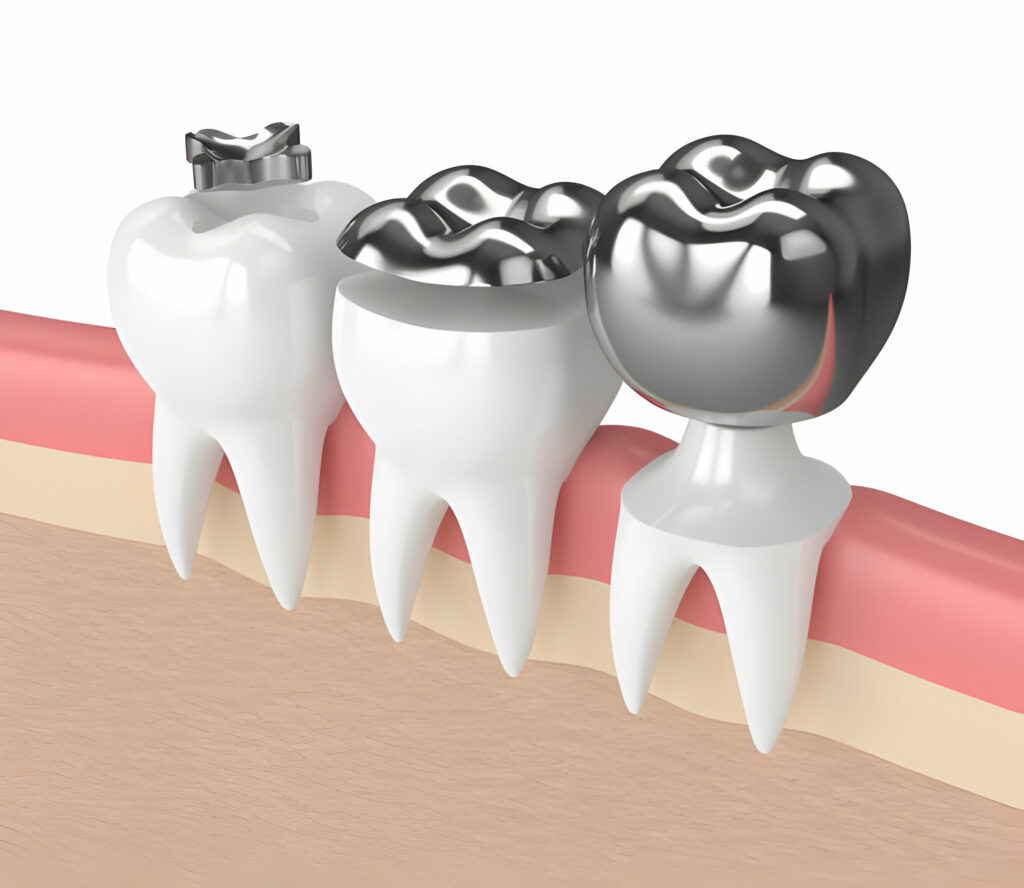
A dental crown, often called a tooth crown or a dental cap, is a prosthetic device that covers or encases a damaged, decaying, or weakened tooth. It is intended to restore the tooth’s form, size, strength, and look while offering protection and support. Oral crowns are created to fit precisely over the whole visible section of a cavity above the gumline, encasing it like a “cap.”

Different dental crown types are porcelain, ceramic, metal alloys (such as gold or stainless steel), or a mix of materials. Tooth position, aesthetics, and functional requirements determine the material used.

5 Instances Where You May Need a Crown

Dental Implants

Dental implants are a method for replacing and rejuvenating missing teeth while also preventing bone degradation in the oral cavity. The implant is placed in the jawbone and gums, and the cap is attached on top, creating a replacement tooth that resembles, if not exceeds, the look of a natural tooth.

Decayed Tooth

While a dentist may use a crown filling to treat a little cavity, cases, when a tooth has significant decay or extensive cavities may exceed the filling capacity. In cases of severe deterioration, a cap may emerge as a realistic option, providing the essential strength to the tooth.

Damaged Tooth

Despite enamel’s toughness and prominence as one of the body’s most durable components, teeth are prone to fractures and chips. A cap can efficiently restore the look of chipped or fractured enamel while keeping a damaged tooth intact.

Misshapen Tooth

While there are several medical reasons for receiving a cap, there is also the option of getting one for cosmetic reasons. If you are unsatisfied with the size of your teeth, the gaps between them, or their general appearance, speak with your dentist in Aubrey, TX, about the benefits of utilizing crowns to disguise your natural teeth.

Post-Root Canal

A root canal surgery is usually performed to save an enamel that has become infected. While the root canal primarily treats the tooth’s interior, it is normal for a dentist to apply a cap to improve the teeth’ aesthetics after the surgery.

Do You Need a Cap?

You may need a cap if you have a significant cavity that can’t be filled. You may also require an appliance if your tooth is cracked or chipped. Symptoms of extreme wear include cracks and weakness.

Crowns in teeth are also necessary after a root canal to safeguard the enamel, which is more delicate. If you’re missing a tooth and your dentist has to replace it with a tooth implant or bridge, you could be a candidate for a cap.

Possible Complications of Having a Crown

A cap can be a highly effective remedy to a severe issue with one of your teeth. However, there are dangers and difficulties that you may encounter after receiving a crowning dental:

Dental Sensitivity

It is common for individuals to be sensitive to heat or cold if they have crowns. However, the fit may be incorrect if your enamel is susceptible to pressure when biting down. Consult with your dentist about adjusting the cap’s location or filing down the top of the appliance.

Chipped Crown

Certain types of crowns are prone to chipping. Your dentist may be able to repair tiny chips. The porcelain used in porcelain-fused-to-metal crowns may break away, exposing the metal framework beneath. These chips may not require repair if the metal is still intact.

If the Crown Was Knocked Out or Loosened.

When there is insufficient cement to hold your appliance in place, it may become loose or fall out. If the cap seems loose or wobbly, call your dentist.

Allergic Response or Gum Disease

Although uncommon, some people may be allergic to the metal used in some crowns. If the gums surrounding your cap become uncomfortable or inflamed, or if this area begins to bleed, you may have gingivitis or gum disease.

Your Alternative Options to a Crown

Your dentist will likely propose which crowns in dental treatment are most suited to your unique needs or the finest alternate choice. For example, if your tooth is too weak or worn down to withstand a conventional filling, a veneer or another form of therapy is indicated. Or, your enamel may have a cavity too large for a filling, and your dentist advises a cap as the best alternative treatment to safeguard it.

Takeaway

  • A dental cap is a prosthetic device that covers or encloses a damaged, decaying, or weakened tooth.
  • Dental crowns restore the enamel’s function, aesthetics, and structural integrity, allowing patients to eat and smile confidently.
  • Think your cavity needs oral crowns? Connect with our professionals at Paloma Creek Dental to know more today!

Urgent Care Services in Aubrey, TX: What You Need to Know

Summary:

Although uncertain, oral emergencies can cause a lot of complications!

Such situations often cause a lot of discomfort, pain, and swelling. Stats suggest that an estimated 2 million people visit hospital EDs (Emergency Departments) for urgent dental care.

Sadly, when it comes to it, a majority of individuals have no idea of how to navigate through the situation, resulting in severe health issues. Keeping the same in mind, this blog explores:

  • Emergency Dentistry – The Key to Preventive Care
  • Tips to Navigate Through Oral Emergencies
  • Steps to Follow During Dental Emergency
  • The Basics of Preventing a Dental Emergency

Continue reading as we learn more about urgent oral care in the following sections.

Emergency Dentistry – The Key to Preventive Care

Emergency dentistry is a discipline of dentistry that focuses on providing prompt treatment for urgent dental problems. Regular consultations are necessary for preventative care and essential treatments, but emergencies sometimes occur unexpectedly and require immediate attention.

However, not every tooth problem should be deemed an emergency. To help you decide if you can wait until your next dental visit or whether you need to see an emergency endodontist, ask yourself the following questions.

  • Do you have extreme pain? Severe pain and blood are indications of an emergency.
  • Have you ever lost a tooth? Fast treatment can save a tooth.
  • Do you have any loose teeth? While adults should never lose their teeth, loose tooth is a severe condition, even if not painful.
  • Have you got an infection? An abscess or major infection in your mouth can be life-threatening; therefore, don’t delay treatment.
  • Are you bleeding from your mouth? It might indicate an emergency to rush to your nearest urgent dentistry.

Any dental condition that requires rapid treatment to stop bleeding, save a tooth, or relieve extreme pain is called an emergency. This also applies to severe illnesses, which can be life-threatening.

Tips to Navigate Through Oral Emergencies

Identify Dental Emergency

All dental problems are not dental emergencies. Toothaches may wait; if the pain isn’t severe, you don’t need to see the dentist in the middle of the night. Dental emergencies, such as a knocked-out tooth or bleeding gums, require immediate medical attention. If your face is bloated and painful, it might be an infection or another issue only an emergency dentist in Rockville can treat.

Do Not Panic

While panicking is a normal reaction to any emergency, being cool might help you figure out what’s happening. Instead of stressing out, try inhaling and exhaling softly to calm down. Once you have assessed the situation, you can schedule an appointment with a dental facility that treats dental emergencies.

Use First-Aid Techniques

There’s a risk you won’t be able to visit an emergency dentist immediately. You might perform basic first aid at home to halt the bleeding or relieve the pain. You can preserve a knocked-out tooth in a milk container until you visit the dentist.

Various hot and cold compression techniques can help alleviate pain and edema. Rinsing your mouth with salt and water might help to prevent gum infections and bleeding.

Reduce the Chance of Dental Emergency

Taking precautions and seeing the dentist regularly helps avoid dental emergencies. Dental crises are less likely if patients get their cavities and infections treated or wear mouthguards during sports. Chipped teeth are less likely to occur if you follow the instructions of your dentist in Aubrey, TX, and avoid biting on tough objects.

Steps to Follow During Dental Emergency

Rinsing your mouth with warm salt water:

Mix a teaspoon with warm water and rinse for three minutes. Wait to consume this solution. Instead, use it as required until you feel better. If you cannot use oral care products at night due to discomfort or illness, try placing an ice pack directly on your cheekbones. It will minimize swelling and promote circulation, allowing your face to heal faster!

Release the Braces

If you or your child has braces, check the wires. If a wire snaps or protrudes and scrapes against the inside of your cheek or gum, try pressing it back into a more comfortable position with the eraser end of a pencil. If it doesn’t work, cover the protruding wire with a cotton ball, small piece of gauze, or orthodontic wax (if you have any) and rush to an urgent care in Aubrey, TX. 

Note: Do not cut the protruding wire since you (or your child) might quickly ingest or inhale it.

Clean the crowns:

If you lose a crown, clean it, secure it with dental cement (if you have it), and contact your dentist as soon as possible. If your gums rupture, you may feel bleeding, and the shattered crown’s edges might be sharp, causing wounds. Biting a tea bag or gauze pad will effectively reduce and eventually stop the bleeding.

Protect the knocked-out teeth:

In most circumstances, you can preserve a knocked-out tooth by visiting a walk-in dentist nearby as soon as possible. Keep the tooth in its socket while transporting it in milk or saliva. Visiting the urgent care Aubrey within an hour gives you the best chance of preserving your tooth.

Reduce the pain:

Gum disease results in swollen gums that are painful and make eating difficult. Severe pain from an abscessed tooth requires prompt care from a dentist near you. In the interim, use a hot pack to relieve discomfort and swelling.

The Basics of Preventing a Dental Emergency

1. Use a mouthguard

Are you a sports fan? Show your affection for the game without jeopardizing your flawless grin. Avoid rough play that can cause facial and oral injuries and chipping or knocking out teeth. Wear a mouthguard before going out on the court or field to protect yourself from having to meet an emergency oral surgeon.

2. Watch what and how you eat

Human teeth are strong! Yet it’s surprising how easily a tooth may shatter or chip. Hard confectionery and difficult meats are just a reason that typically strong, straight, attractive teeth can break.

The most effective approach to avoid this is to consider before you bite. If you’re thinking of indulging in candy, don’t. It’s not worth the danger of chipping over cavities caused by too much sugar.

3. Don’t chew everything!

Many people have oral fixations, such as biting their nails or chewing on non-food things like pen caps. But did you realize that these unhealthy practices might lead to cracks or chips in your teeth?

You may break these negative behaviors by keeping your hands occupied and eating sugarless gum, diverting mouth fixations while promoting saliva production and clearing microorganisms. Or, ask your care now, Aubrey, TX professionals, for help.

Takeaway

  • Analyzing an oral emergency and taking the right step is the difference between visiting a 24-hour dentist or a doctor!
  • There are different types of oral crises. However, only some situations require you to visit the ER. Some can be managed at home as well.
  • Don’t let the options confuse you! Save Paloma Creek Dental as your go-to emergency dental if you require urgent care services. Visit our experts today!

Fixing Teeth: A Simple Guide to Restorative Dentistry Procedures

Ever been in an unfortunate incident where you’ve chipped your teeth?

While you might consider yourself unfortunate, it’s more common than you think. Stats suggest that over 178 million Americans have chipped, broken, lost, or deformed teeth.

But does it mean you must avoid smiling for the rest of your life? No! This is where restorative dentistry procedures step into the picture. These procedures help you smile with complete confidence once again.

This blog takes a closer look at dental restorative procedures by understanding more about:

  • More About Restorative Dentistry – What is Restorative Dental?
  • When Do You Need Dental Restoration?
  • Types of Dental Restorations Offered by Your Dentist
  • Why Restorative Dentistry for Your Teeth?

Continue reading as we learn more about different aspects of the treatment in the following sections.

More About Restorative Dentistry – What is Restorative Dental?

Restorative dentistry, as the name implies, focuses on restoring damaged oral structures such as teeth and gums. The branch specializes in repairing and restoring damaged and missing teeth.

You may need this form of dentistry if you suffer from the following conditions:

  • Cavities and dental decay.
  • Damaged or fractured teeth.
  • Missing teeth (falling off or being pulled by a dentist).

Other oral disorders, such as gingivitis, receding gums, and periodontal disease, are also treated with restorative dentistry. Some of the extreme oral issues fixed by this dentistry include extensive scaling, root planing, and cleaning.

Upon visiting your Aubrey restorative dentist, you’ll discover that implants, crowns, and bridges are the most commonly used oral restorations. It also covers teeth whitening, fillings, and bonds (the gluing or bonding of fractured teeth with a crown or denture).

When Do You Need Dental Restoration?

Dental restoration is necessary to restore the function and health of lost, damaged, or weak teeth. Here are some prevalent reasons why your general dentist may propose restoration:

Stains and Chips

Restorative dentistry can help you regain oral health. However, certain restorative procedures offer cosmetic benefits. Veneers, for example, are a thin coating of tooth-colored material attached to the teeth’ surface. It may cure tiny fractures and chips while improving your smile’s look.

Tooth Decay

Fillings are the most prevalent type of dental repair. They aid in curing enamel erosion. Decay occurs when your tooth is exposed to acidic chemicals that erode the outer coating, known as enamel. It exposes the dentin layer (the softer inner layer), which might result in a cavity. A cavity can lead to decay, discomfort, infection, and tooth loss.

Damaged Structure

A fractured enamel cannot heal independently because, unlike bone, it lacks a blood supply. A tooth with significant injury may have compromised structure. Therefore, professionals suggest restorative dental procedures to rebuild the structure.

Missing Teeth

Tooth replacement is a popular type of oral treatment. If you are missing one or more teeth, you can replace them with implants. It will restore the functioning of your cavity while improving your smile.

Types of Dental Restorations Offered by Your Dentist

Fillings, crowns, and dental bonds are among the most common restoration methods professionals use. However, the ones they suggest depend on several factors.

Keeping the same in mind, this section closely examines different oral restorations a dentist offers.

Fillings

Tooth decay occurs when plaque forms uncontrolled on surfaces. This film comprises bacteria, starch, and carbohydrates, which create acidic waste. This acid eats away at the minerals in your enamel.

When enough enamel erodes over time, cavities appear on your teeth. Smaller cavities can be filled with oral fillings, much as cement or asphalt can be used to repair potholes on the pavement. This surgery includes drilling out the decaying area of the tooth.

To disguise the hole, your dentist in Aubrey, TX, will fill it with composite material that matches the color of your tooth. It halts the growth of decay and minimizes the chance of future injury.

Crowns or Caps

Dental crowns are a form of denture or tooth replacement that fills bigger cavities or restores a fractured tooth to health. It’s called a crown because it sits above the teeth like a king’s crown or a cap (also known as that).

It builds on the original holey or damaged enamel. Otherwise, it would utilize the adjacent healthy/unhealthy teeth to fasten itself to your jaw. You are giving up the original enamel for the porcelain construction of the crown.

Despite its name, the crown covers the whole cavity. Crown placement also requires shaving off the native enamel to ensure the crown fits exactly over the tooth being restored.

Inlays and Onlays

Inlays and onlays are used to cover gaps between fillings and crowns. They are used for cavities that are too deep or wide to be repaired with a dental filling but not large enough to warrant using a crown or cap. These appliances resemble partial crowns in the form of the voids they are designed to fill.

Inlays and onlays are unique restoration methods that need a mold of the cavity or damaged tooth before being tailored to match the negative space of the cast. They’re designed to fit together with bonding materials.

Bridges

Bridges are dental restoratives that suspend an artificial tooth or crown across the empty area left by one, two, or more teeth on opposing sides. It substitutes for a single lost or removed enamel and can even replace a whole row of teeth.

It is frequently secured by a closed tooth (cantilever bridge) or regular opposing teeth (standard bridge), sacrificed, and their enamel shaved down to fit perfectly within the hollow dental cap. The remaining non-hollow artificial option is hung above the gum of the lost tooth (or teeth).

Root Canal Treatment

A root canal or endodontic treatment is a surgical technique that removes an infected root or pulp from the cavity. The process is designed to remove and clean roots from a tooth, restoring your enamel without its roots. After removing the roots, inert material is injected into the empty chamber.

Finally, the shell of the remaining tooth is shaved down to create room for the crown or a simple filling. Some dentists try to salvage the tooth by administering antibiotics until the swelling and acute nerve pain disappear. Others choose nerve and root removal.

Dental Implants

A dental implant is a tiny metal screw that is placed in the empty socket left by lost teeth. This threaded post screws itself tightly into the bone, healing over time as it integrates with the jaw.

It comes with a metal portion protruding from beneath the gum. This is where the dentist places your crown and abutment. These appliances are designed to replace your root, giving your crown denture the feel of a natural tooth without the need for bridges.

Why Restorative Dentistry for Your Teeth?

Restorative dentistry allows you to retain damaged teeth and maintain excellent oral health as you age. Your preferred dentist can restore your teeth to full function and your smile to full aesthetic shape on short notice.

While we suggest preventing dental decay and damage after you’ve placed your restorative teeth, you need to be wary about brushing, too! Brushing incorrectly or too forcefully can cause your teeth to wear down, resulting in discomfort and damage.

Takeaway

  • Restorative dentistry, as the name indicates, focuses on repairing damaged oral tissues, including teeth and gums.
  • Dental restoration is required to restore the function and health of missing, damaged, or weakened teeth.
  • Have a chipped tooth that requires professional attention? Connect with our experts at Paloma Creek Dental today!
Load More